Dance & wellbeing · 4 min
Why rhythm helps us feel connected
Have you ever noticed how quickly a room can change when music begins?
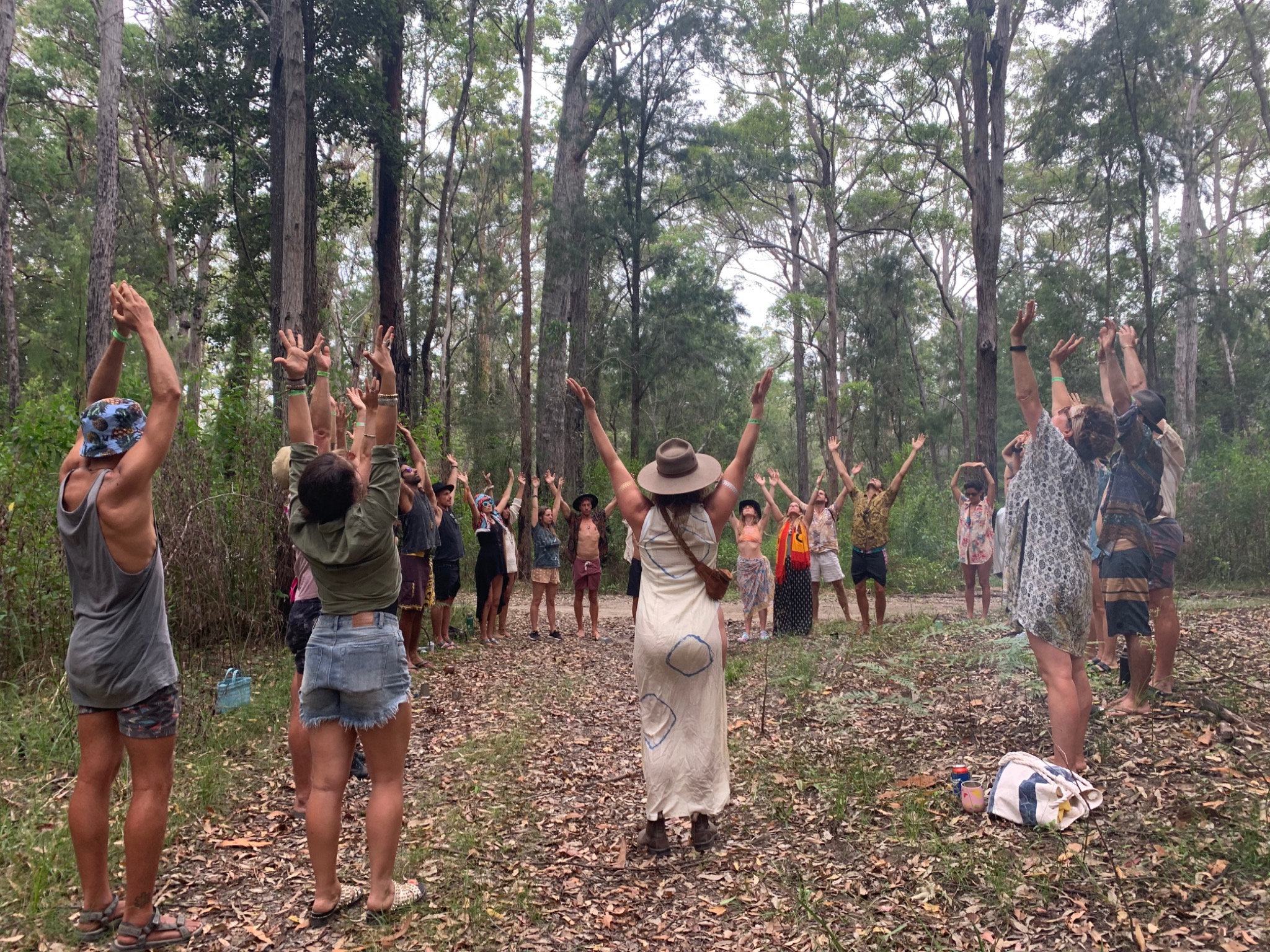
Shoulders soften. Faces brighten. Feet start tapping. People who may have arrived as strangers suddenly begin smiling at one another.
At Casa Cuba Events, we believe rhythm is much more than a beat. It is a shared language that can bring people together without requiring the perfect words—or perfect dance steps.
Cuban dance has always been deeply social. Its rhythms invite people to respond to one another, share energy and become part of something larger than themselves. When a group claps, steps or sways together, attention begins to shift away from individual worries and towards the collective experience.
Research supports what dancers have felt for generations. An experimental study found that moving in synchrony while dancing encouraged social bonding and increased feelings of closeness between participants. A major meta-analysis examining 41 controlled studies also found that dance and dance-movement programs may benefit quality of life, mood, interpersonal skills and other psychological outcomes.
But connection does not require complicated choreography. It can begin with one gentle movement, a shared clap or simply allowing the rhythm to move through the body.
This is especially important in workplaces, schools, aged-care communities and inclusive settings, where people may have very different abilities, backgrounds and levels of confidence. A thoughtfully facilitated dance experience offers everyone a way to participate—seated or standing, quietly or energetically, individually or with others.
Our approach combines El Moro’s lifelong knowledge of Cuban dance and culture with Sarah’s experience in wellbeing, inclusion and nervous-system regulation. Together, we create welcoming spaces where people can move without judgment and rediscover the simple joy of being present with others.
Because sometimes connection does not begin with conversation. Sometimes it begins with a beat.
Research references
Explore the evidence
- Tarr et al. (2015), Synchrony and exertion during dance independently raise pain threshold and encourage social bonding ↗
- Koch et al. (2019), Effects of Dance Movement Therapy and Dance on Health-Related Psychological Outcomes: A Meta-Analysis Update ↗
These findings help inform our programs. They describe population-level research and are not medical advice or a guarantee of individual outcomes.